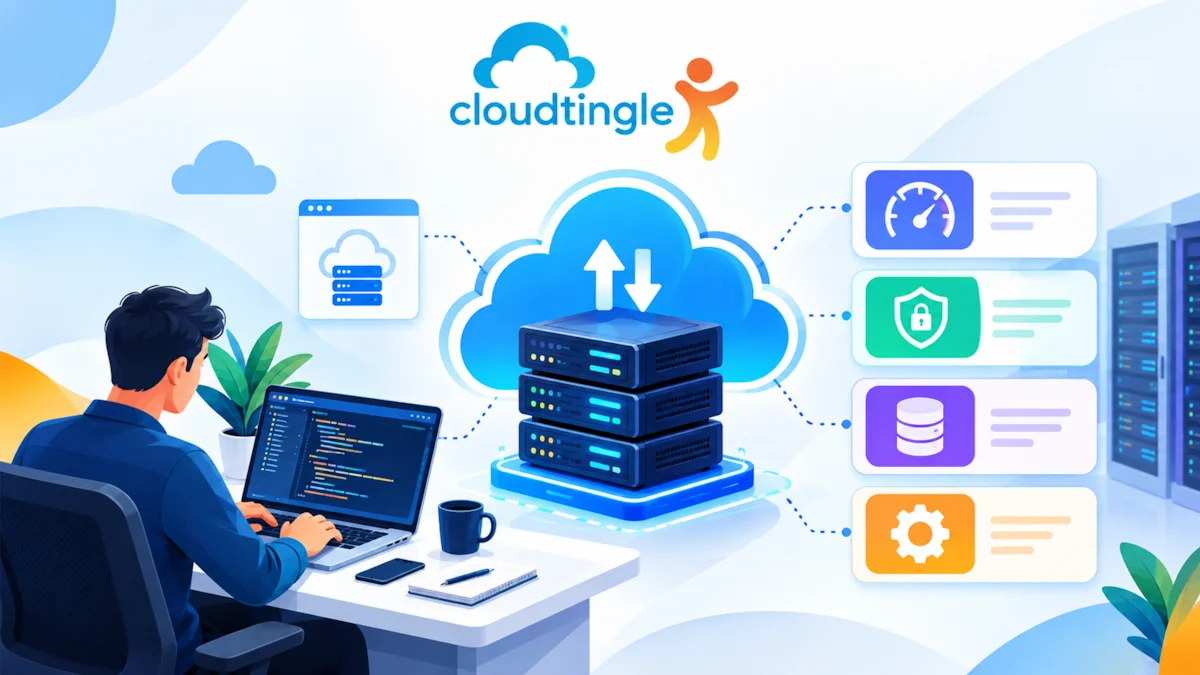


Today’s businesses span different cities, countries and digital platforms where there is a requirement for constant access to synchronized data. Whether it’s enterprise applications, eCommerce systems, or remote collaboration platforms, businesses demand seamless and non-disruptive real-time data consistency. As a result, Cloud Hosting has emerged as an essential solution for companies that are operating distributed businesses.
Centralized Accessibility
Conventional infrastructure is an inconvenience to workers who work from multiple locations. Delays, lost workflows, and information that doesn’t get shared, are typical side effects of localized servers. Cloud Hosting removes these challenges by offering applications, files, and databases to be accessed from a single point in a series of inter-connected cloud environments. The same synchronized data is available for all teams in various regions in real-time.
Real Time Synchronization
Today’s Business Environment Requires Current Data on Financial Transactions/Inventory Management (also) in Real-Time Synchronization Between Sites through Collaboration Platforms (Real-Time) – Current Data Is Critical!
Scalable Infrastructure
Synchronization needs grow very rapidly as organizations grow. Traditional infrastructure may become stressed with increased users, size of databases and traffic. Cloud Based Infrastructure Enables Data Measured and Updated to Be Mirrored Across Connected Systems within Near Real-Time.
Cloud Hosting Environments Have the Ability to Scale Resources as Needed Therefore Also Allowing Businesses to Scale Resources for Future Growth as They Re-Develop their Companies. This Flexibility Gives Companies Assurance That there will Be No Disruption of Service with Major Changes to Their Infrastructure.
Reliable Connectivity
Synchronized operations require a stable network performance. Companies with Operations Across Multiple Geographies Require Continuous Communication Between Applications and Databases. They Can Achieve Continuous Application Synchronization With Redundancy, Intelligent Traffic Management and the Use of Optimized Connectivity Through Cloud Service Providers to Minimize Latency.
Enhanced Security
Sensitive business information, customer records and financial data are often involved in data synchronization. It is essential to safeguard this data for stability and trust with customers. Today’s Cloud Hosting platforms utilize improved security innovations including encrypted data transfer, firewall security, intrusion checking and access management systems to safeguard synchronized environments.
Disaster Recovery
If data resides in separate systems, it can cause major disruptions to business operations if data is lost due to unexpected outages, cyberattacks, or hardware failures. Cloud environments enhance disaster recovery by making multiple copies of data. This distributed architecture helps minimize downtime risk and enable quick data recovery in case of emergency.
Remote Workforce Support
Due to the increase in remote and hybrid working models, there is an increasing demand for businesses to implement a synchronized cloud environment that enables employers to access applications and data on different devices and in different locations. Cloud-based sync allows teams to work together effectively and access the latest information across the organization.
Faster Storage Performance
The speed of synchronization is also affected by the storage infrastructure. Many cloud platforms utilize NVMe SSD technology, which provides quicker read and write operations than conventional storage techniques. Better storage performance lets data replicate faster, backups process quicker, and application responses improve within distributed environments.
Automation & Monitoring
Automation enhances the synchronization efficiency in cloud ecosystems. Automated backups, replication scheduling, and monitoring are becoming more critical to businesses for ensuring continuous synchronization between locations. Smart monitoring tools can detect potential performance problems before they impact operational stability.
Container & Application Support
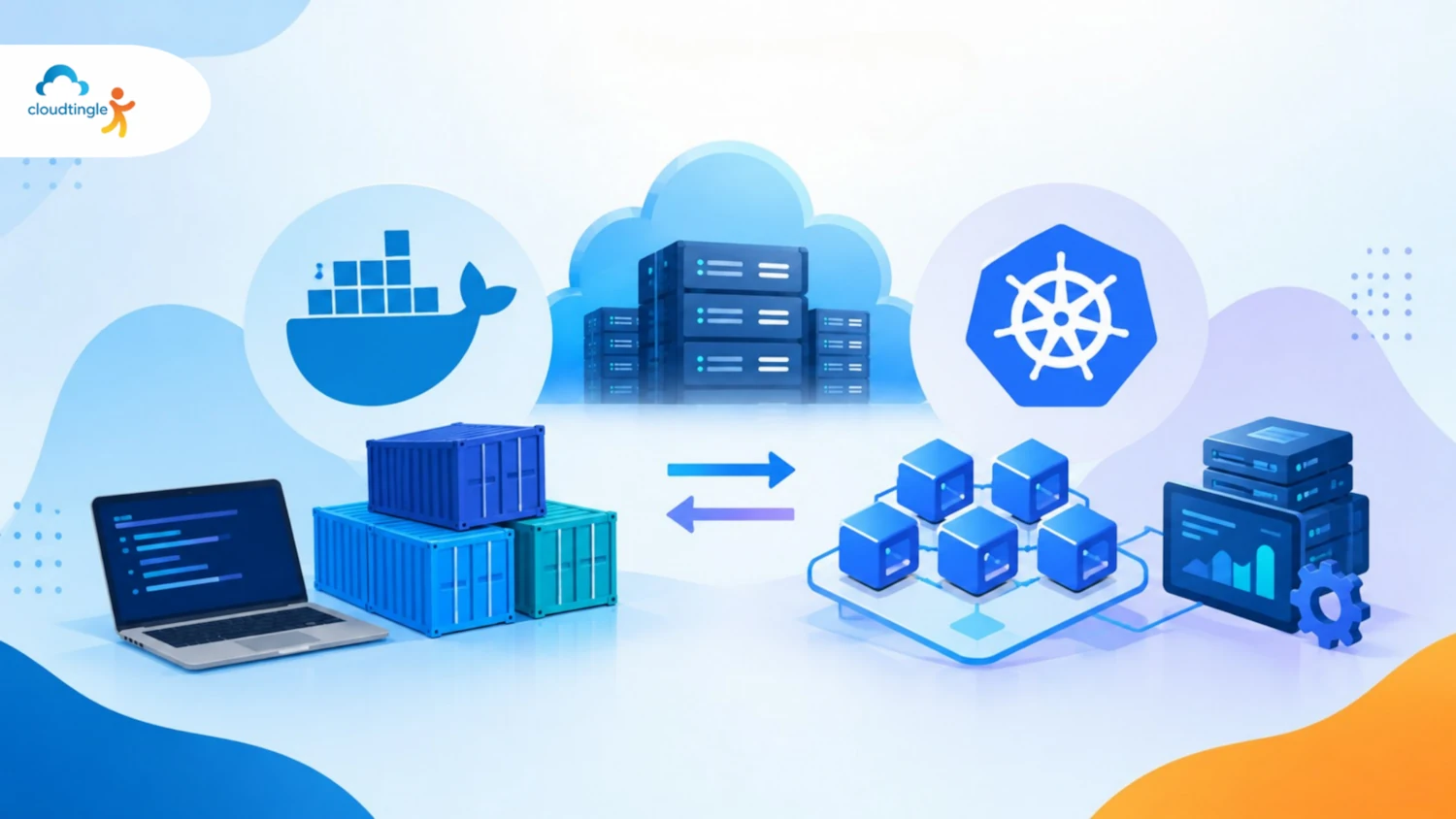
Since there has been an increase in the usage of containerized applications and microservices, there has been an increase in the need for synchronized infrastructures. In cases where data moves continuously among applications in different systems, Docker and Kubernetes will be able to work effectively in the clouds. Cloud synchronization helps to maintain these architectures with stable communication and scalable deployment management.
Cost Efficiency
Multiple stores may need to invest in multiple infrastructure installations and staff to maintain and manage them independently. Using Cloud Hosting, the cost issues will be solved since infrastructures are merged in scalable virtual infrastructures. There is enterprise-level synchronization that will not compromise flexibility and cost-effectiveness.
Conclusion
In the digital age, when one considers the growing distributed environments, synchronized infrastructure becomes necessary for efficiency and collaboration. The environment that businesses require should support several locations with data synchronization capabilities that are secure, scalable and real time. The Cloud Hosting platform provides all the necessary resources to make such environments efficient.