

An effective digital network is fundamental in today’s business environment when it comes to maintaining websites, apps, databases, among other online services. With growth, companies will require different hosting options; therefore, scalability will become a fundamental component in the choice of hosting options.
Companies can grow without changing their infrastructures to ensure performance and scalability.
As needs change, systems may be replaced, but flexible cloud environments can change as well to meet the changing needs of organizations.
What Is Scalable Web Hosting?
Scalable web hosting is that which can scale its resources to meet the needs that arise from any kind of variation in workloads. Such variations may come from fluctuations in traffic volumes as well as from launching new products/services/applications/territories.
While conventional hosting has set limits, scalable hosting allows businesses to upgrade their computing, storage, and networking capabilities as necessary. This helps in enhancing the performance and maintaining costs under control and makes infrastructure management easy.
The Core Components Of Scalable Cloud Infrastructure
Cloud platforms have revolutionized infrastructure deployment and management for businesses. Organisations can use cloud resources without having to invest in expensive hardware and instead connect to them via a single management portal.
Hostzop Cloud has 3 main service areas:
- Compute
- Storage
- Network
These services, combined, can provide a full cloud ecosystem to power contemporary business operations.
Managing Applications And Virtual Machines Is A Free Practice Test.
Compute resources are used for processing power needed for websites, applications, databases, and development environments.
The Compute area allows customers to create and control their virtual machines (VMs). Virtual machines can run either a standard operating system, or a prebuilt application (like WordPress or using Docker), making it easy for customers to deploy their applications.
The platform also offers live metrics such as:
- CPU utilization
- RAM usage
- Inbound traffic
- Outbound traffic
These insights enable organizations to monitor performance and make the most of their resources.
Instance Management Features
Firewall Protection
Inbound and outbound traffic can be restricted and controlled via specific ports, protocol and IP addresses per instance with firewall rules.
Automated Backups
The automated backup creates a recoverable backup file and configuration information that will safeguard your critical data from any unforeseen incidents.
Snapshots
The snapshot refers to a snapshot or image of a virtual machine.They are helpful when software is being upgraded, deployed or configured and there is a possibility of reverting to previous software settings in case of any issues.
The Storage Solution For Growing Data Needs.
As digital content creation is becoming common these days, scalable storage has become an issue.
Object Storage offers a flexible alternative to storing:
- Backups
- Media files
- Static website assets
- Application resources
Permissions and sharing can be used to control access, and storage resources can be organized using buckets. Another benefit of a usage-based pricing model is that it helps businesses match their storage costs with their usage.
Network: Security And Connectivity.
Networking is a key component to the performance, security, and reliability of the cloud.
The Network segment has tools aimed at making it easier to manage infrastructure and connectivity.
Network Firewalls
Enhance security and traffic control through network level firewalls that can be used to control or deny traffic between resources and external networks.
Virtual Private Cloud (VPC)
VPC technology will allow the workloads to run in isolated private environments. This segmentation provides better security and helps with compliance.
Load Balancing
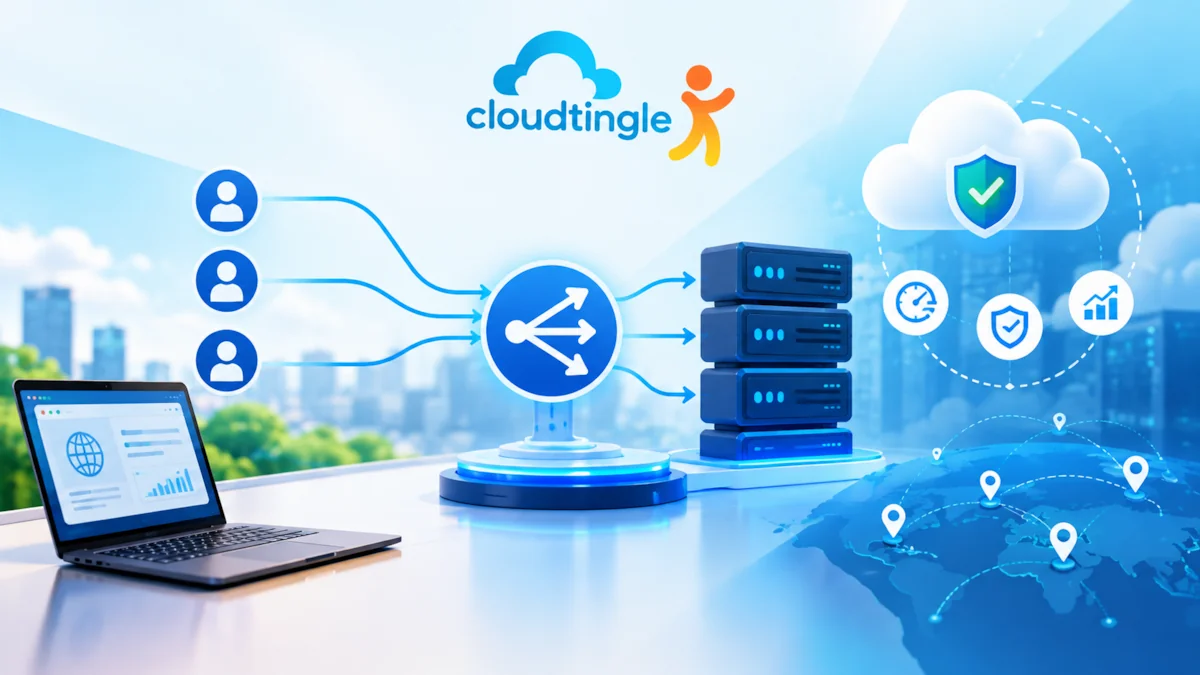
In times when there is heavy loading of traffic on a server, load balancing shares the incoming traffic among several servers.
Floating IP Addresses
Floating IPs can be associated with different instances while keeping in place the same public endpoint. This is a neat feature for failover plans, migrations, and the like.
Benefits Of Unified Management
Centralized infrastructure management is one of the best features of cloud platforms.
The single dashboard in Hostzop Cloud allows businesses to oversee:
- Virtual machines
- Object storage
- Network resources
- Security settings
- Backups
- Monitoring tools
This centralization can bring better visibility, make administration easier, and facilitate the efficient management of infrastructure.
Why Scalability Matters
As a business grows, it has unsure requirements for infrastructure. There are additional resources required for marketing campaigns, seasonal traffic growth, application updates and growing customer populations.
Businesses can easily adjust their hosting service as per their requirements without hefty investments in hardware or service downtime. Organizations become more flexible in responding to evolving requirements and at the same time remain reliable and efficient.
Conclusion
The emergence of technology has made scalable hosting services increasingly necessary for business organizations. The emergence of cloud technology provides the much-needed help to business organizations through powerful computing facilities, scalable storage capacity, advanced networking systems, and centralized control.
In summary, the services provided by the Hostzop Cloud illustrate how the implementation of cloud technology can assist in improving operations within a business organization and future growth.
With digital operations still evolving, scalable hosting is an integral part of future business success.

One thought on “Understanding Scalable Hosting Solutions For Modern Businesses”